
Precise fine screening in recycling
Flip-Flow screening machines, also known as Flip-Flow screens, enable the efficient classification of Difficult to screen materials with Separation sizes from 0.2 to approx. 50 mm.
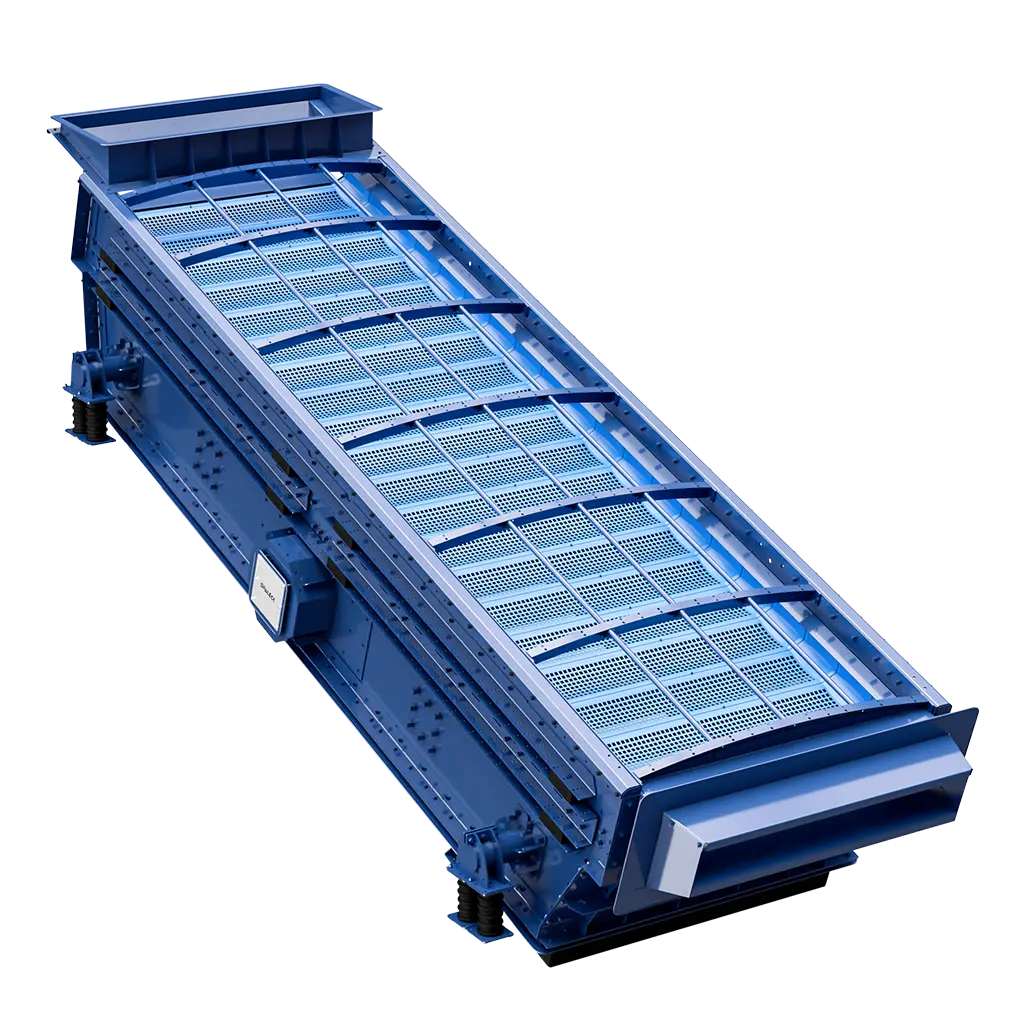
SPALECK flip-flow machines stand for modern flip-flow screening technology worldwide for the Efficiency classification of fines in recycling materials. They separate Material flows precisely into three to four clearly defined size fractions and deliver a constant, high-quality screening quality – even with moist, sticky or highly inhomogeneous material flows.
The functional principle is based on two frame systems with elastically tensioned Screening mats that move relative to each other. The dynamic and high-frequency tensioning and release movement of the mats creates a so-called trampoline effect. The recycling material is actively loosened and the target fractions fall through the openings of the screen mats.
This ensures that fines are reliably screened out and Material flows are precisely classified – an important prerequisite for efficient sorting and Efficiency Recycling processes.
MATERIAL
FRACTIONS
DESIGN+
Screening machines must be reliable and powerful. With our Flip-Flow screening machines, you can optimize the processing of your screening material. Machine performance is a guarantee for the strong performance of your recycling plants.
Developed and built for Efficiency in Screening. Flip-Flow screening machines from SPALECK set the standard in Efficiency, Reliability and Efficiency worldwide.
Our ModularDESIGN+ principle ensures that every SPALECK flip-flow screening machine is optimally designed for the respective material and Recycling process.
Parameters such as screening panels, Separation sizes and Machine configuration are coordinated on a project-specific basis.
At the same time, the machine remains flexible: changing Material flows or new requirements can easily be taken into account in the future.
The following video shows how Tensioning shaft cassettes can specifically improve the Screening result.
Don’t buy your new Flip-Flow screening machine off the shelf, but opt for the best solution for your screening task.
We build every single one of our screening machines 100% tailored to your application. This guarantees you the latest screening technology and optimum recycling and processing.
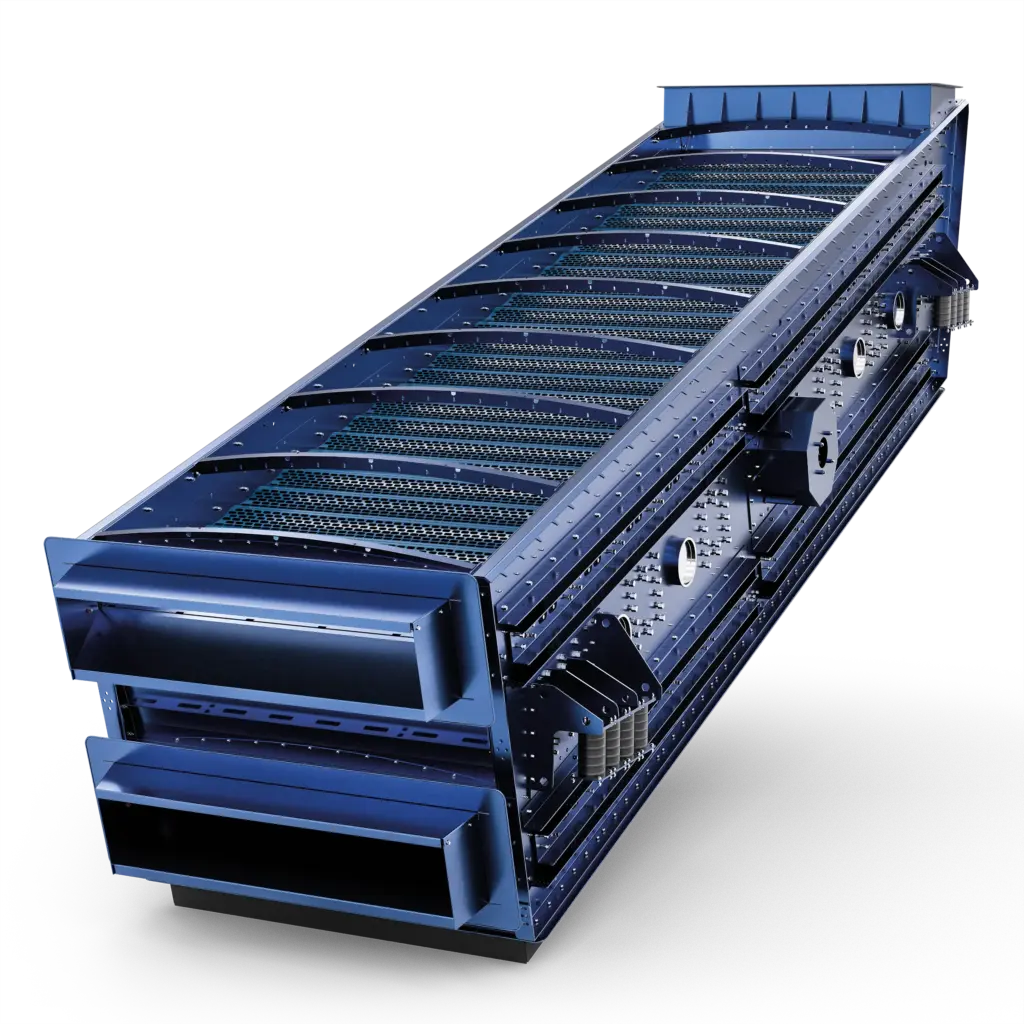
If optimum Screening capacity, quality and the Screening result are important to you, then SPALECK Flip-Flow technology is just right for you.
If you are interested, we will be happy to organize a tour of leading reconditioners who count on SPALECK. Just get in touch with us.
Flip-Flow screening machines from SPALECK are ideal for classifying Difficult to screen, sticky and moist materials with Separation sizes from approx. 0.2 to 50 mm. Here you will find a small selection of typical recycling materials that can be processed with our Flip-Flow Screenings. In addition, our entire Conveying & Separation Technology product range is of course available to you!
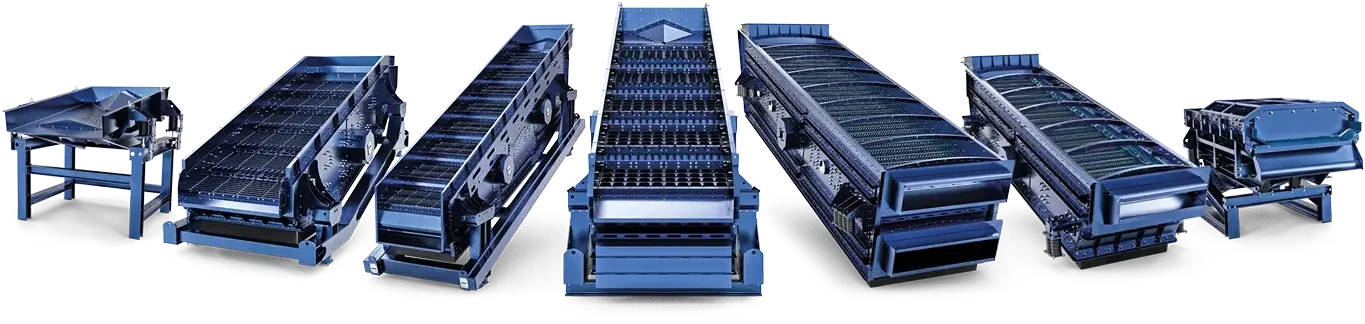
We develop and build every SPALECK Flip-Flow screening machine 100% tailored to the customer’s specific application. So you can be sure that your new Flip-Flow screening machine will optimally classify and screen your material.
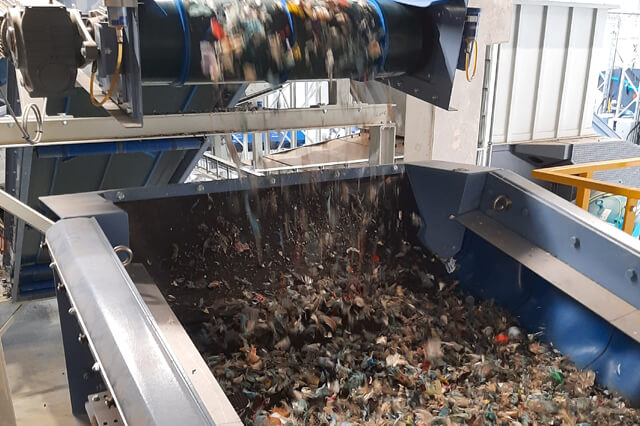
Your material. Your screening machine. This SPALECK principle naturally also applies to film, LVP, RDF, shredded plastics or PET recycling, for example. The Recycling Waste Screens receive the optimum screening panels and the construction is designed to optimize the retention time of the material on the deck. There are also useful equipment variants such as dynamic fingers or special screen coverings that get the most out of your material.
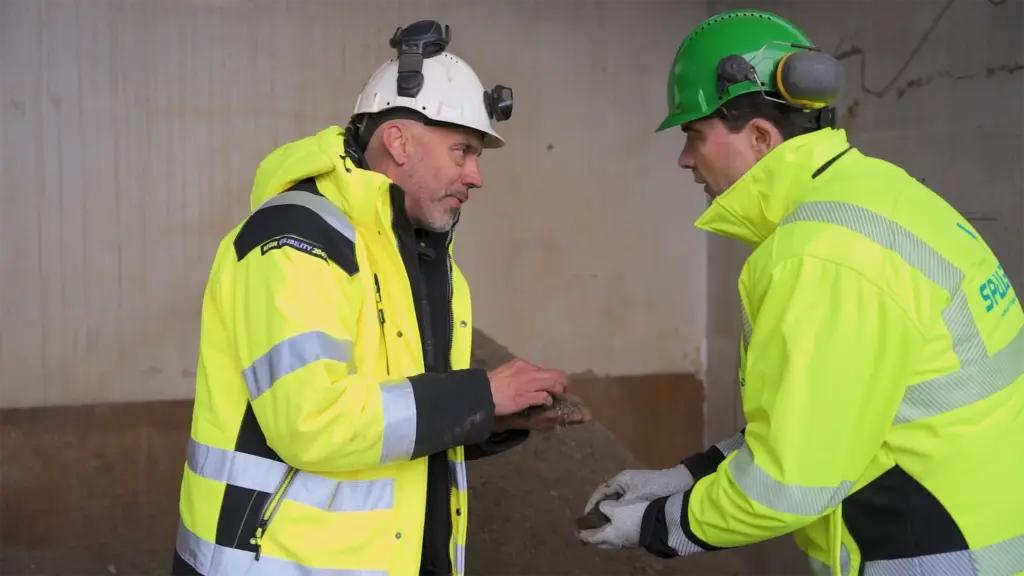
Typical Screening sizes in metal recycling are e.g. 0-8 mm. This efficiently sieves off minerals, dirt and moisture content. To protect the sorting technology and for optimized processing.
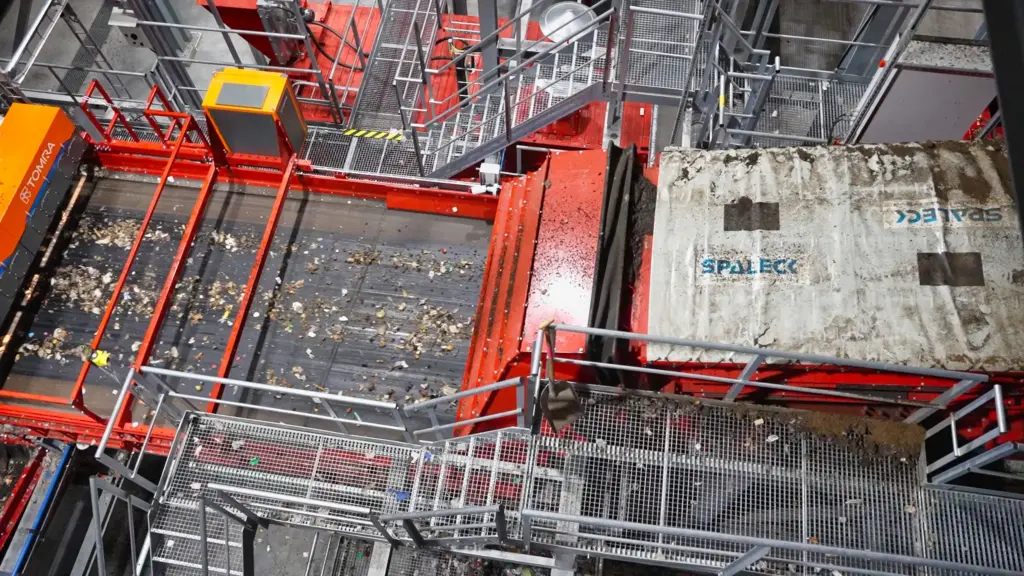
Fines out, recyclables in for sorting. Flip-Flow screening machines separate in MSW applications, e.g. upstream of NIR sorting devices.
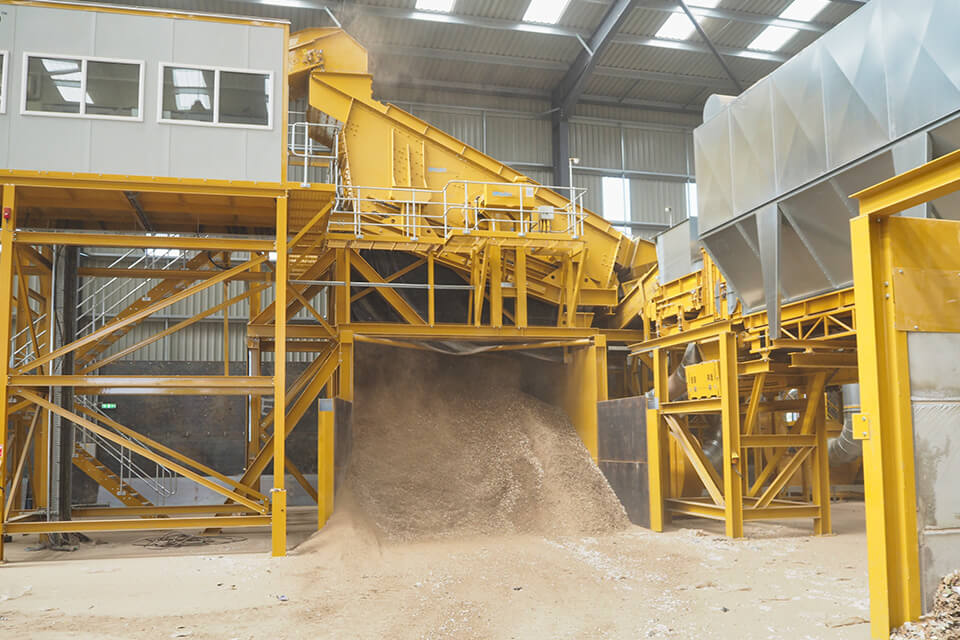
Construction and demolition waste is screened for fines using flip-flow screens. Our customers often use Flip-Flow screening machines or our SPALECK 3D COMBI screening machine, which is a Recycling Waste Screens in the upper deck and a Flip-Flow screening machine in the lower deck.
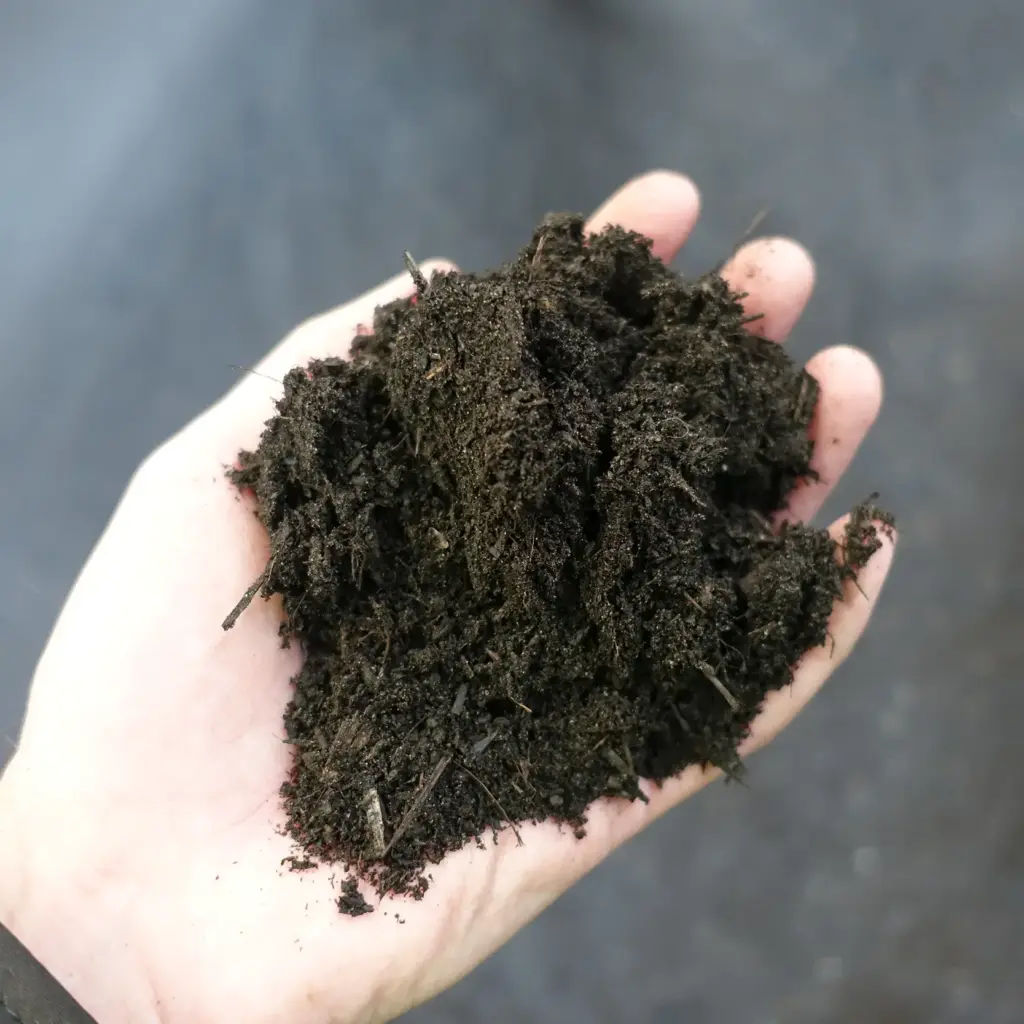
Compost producers use SPALECK Flip-Flow Screens to produce the best substrate and the highest quality Compost. Talk to us, we will be happy to show you our international references.
STENA RECYCLING AB, Sweden
STENA RECYCLING AB, Sweden
Immark AG, Switzerland
Compost expert, Netherlands
Olde Bolhaar Eco-Service GmbH, Germany
Heros Sluiskil, Belgium
Skrotfrag Group, Sweden
SPALECK, Germany
Immark AG, Switzerland
SPALECK, Germany
Tekniska verken, Sweden
BANZO Engineering, Netherlands
Umweltkontor Bergkamen, Germany
BANZO Engineering, Netherlands
Stena Nordic Recycling Center, Sweden
Skrotfrag Group, Sweden
STENA RECYCLING AB, Sweden
STENA RECYCLING AB, Sweden
Immark AG, Switzerland
Compost expert, Netherlands
Olde Bolhaar Eco-Service GmbH, Germany
Heros Sluiskil, Belgium
Skrotfrag Group, Sweden
SPALECK, Germany
Immark AG, Switzerland
SPALECK, Germany
Tekniska verken, Sweden
BANZO Engineering, Netherlands
Umweltkontor Bergkamen, Germany
BANZO Engineering, Netherlands
Stena Nordic Recycling Center, Sweden
Skrotfrag Group, Sweden

Benefit from the targeted selection of your sidewall design. This allows you to achieve the highest screening grades with a strong Screening capacity or high screening qualities with maximum performance.
SPALECK offers you many smart solutions for Screening. For example, our patented MultiZONE deck. This provides you with several screening areas on one Screen deck. This allows you to easily control the screening quality and flexibly adapt your screen to a wide variety of Material flows.
We work with you to select the optimum screen mats for your recycling goals. Hundreds of screen mat configurations are available for a wide range of materials and Separation sizes.
The clamping principle allows the screen mats to be changed quickly and easily.
Flip-flow screens perform a central task in many recycling plants: the reliable and precise classification of Material flows with a high proportion of fines. They ensure exact separation cuts and precise fine screening, especially for moist, sticky or challenging recycling materials. This reduces the load on downstream sorting equipment and makes Recycling processes more efficient. Typical areas of application range from Construction and demolition waste, Municipal solid waste and incinerator bottom ash to applications in metal recycling and plastics recycling as well as the processing of Compost and organic material streams.
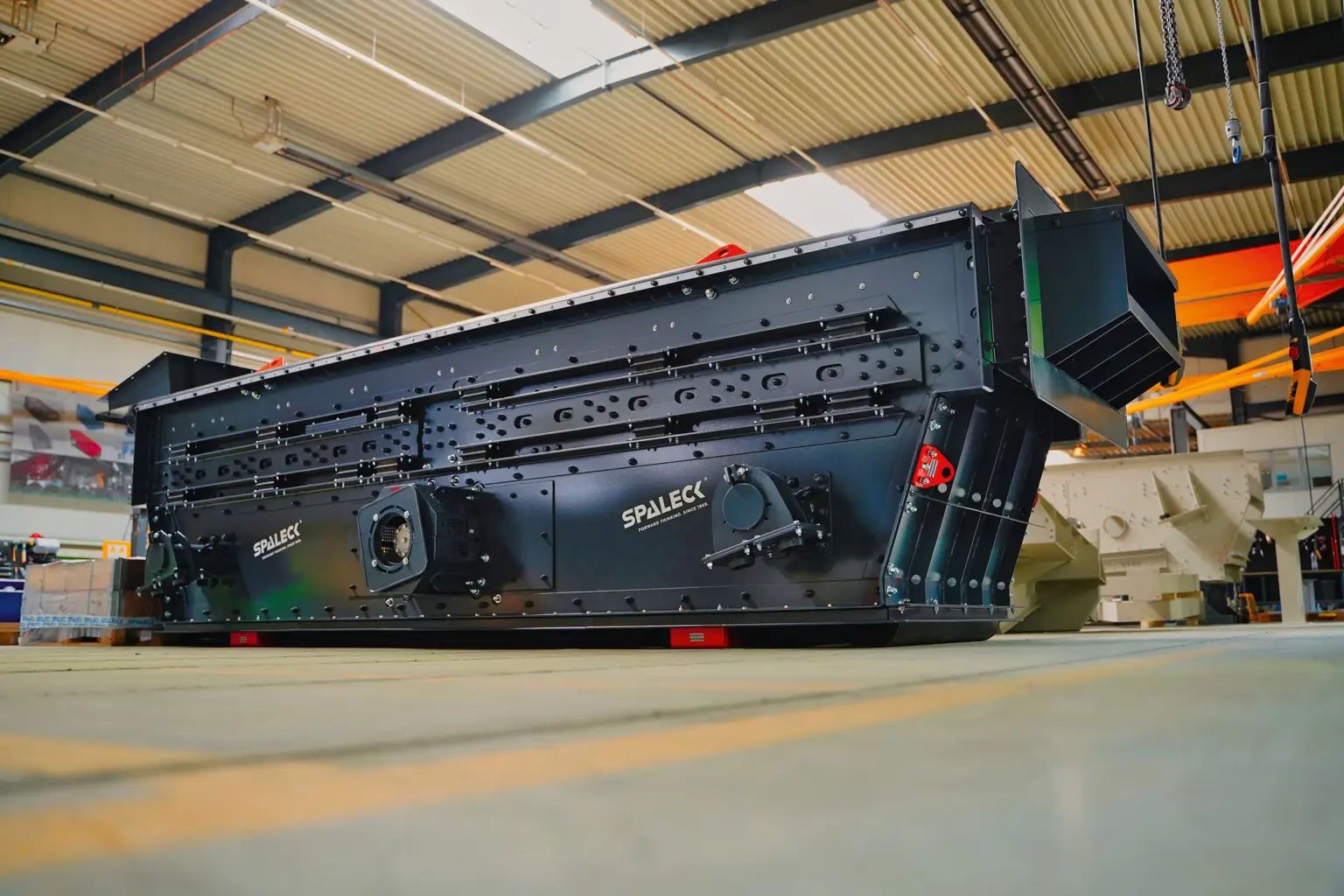
When recycling Construction debris, Flip-Flow screening machines reliably classify the Construction and demolition waste according to Particle size. The very heterogeneous and often moist and sticky screening material consisting of dust, sand, dirt, broken concrete, bricks, glass and mixed construction waste as well as wood and plastics is precisely classified. The flip-flow screen technology helps to reduce contamination in the subsequent process. This is very positive for the subsequent treatment and sorting processes. Typical Screening sizes are e.g. 0-8 mm or 0-12 mm.
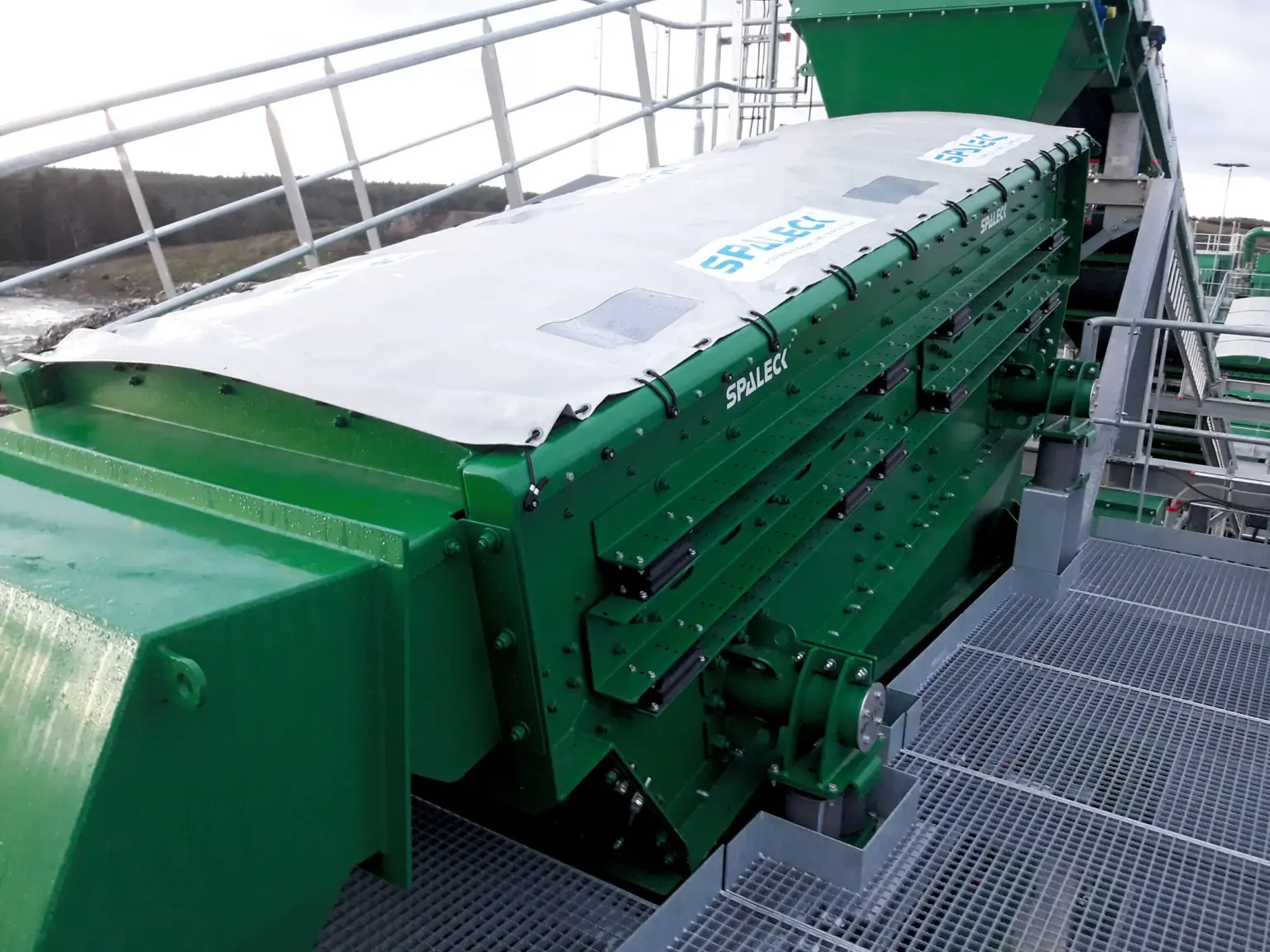
When recycling incinerator bottom ash, Flip-Flow screening machines ensure precise classification of mineral Slag and metal-containing residues such as non-ferrous concentrates. The sometimes very moist and sticky material is reliably classified into fractions of e.g. 0-12 mm and 12 - 50 mm. The downstream eddy current sorting and e.g. sensor sorting are thus supplied with optimum grain bands.
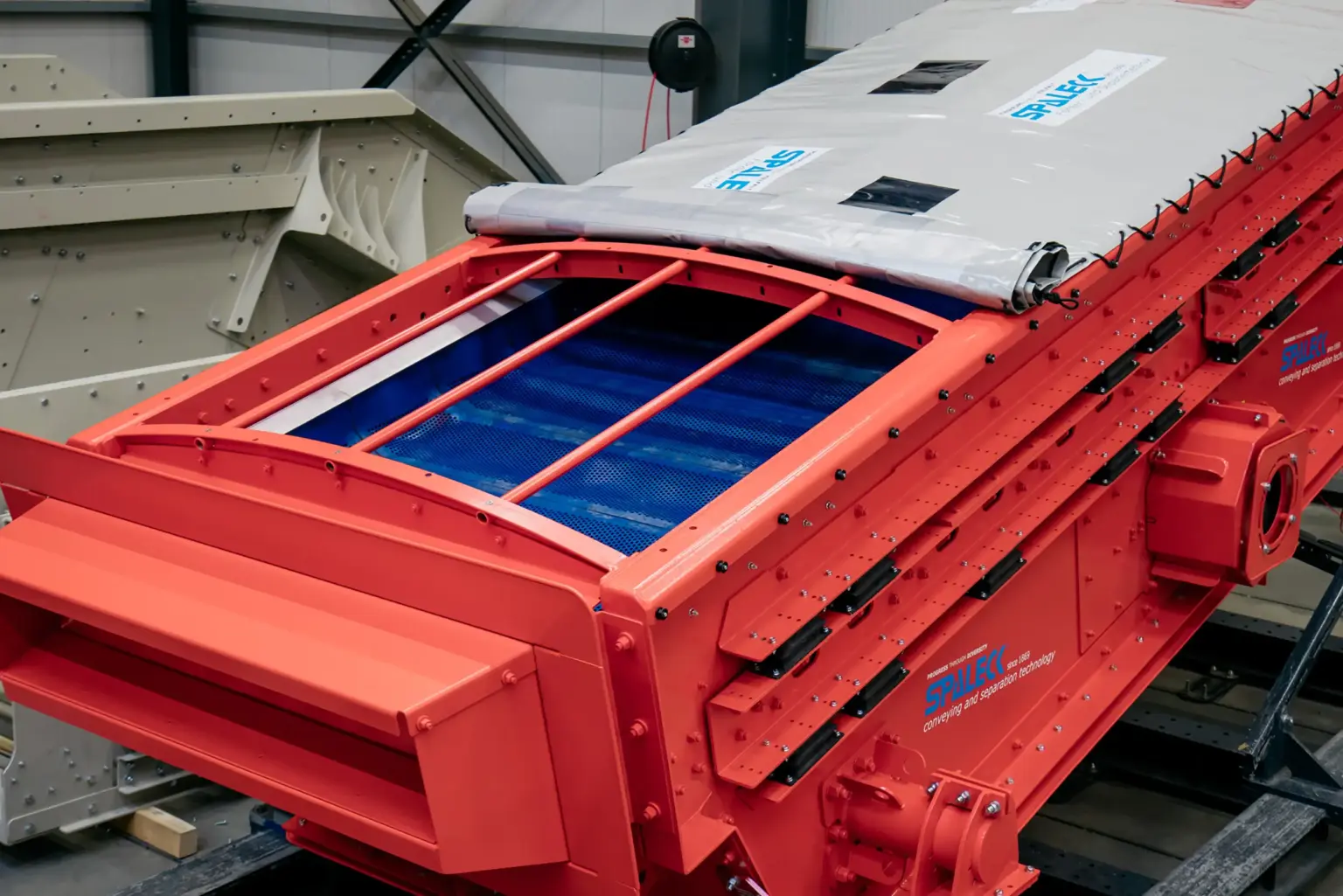
Flip-Flow screening machines remove the fines when processing mixed packaging waste. Typical Screening sizes are e.g. 0 -30 mm and larger than 30 mm. By screening the fine fraction and separating organic components, sand, dirt and more, downstream sorting systems such as NIR sorters or air classifiers can work much more efficiently and reliably.
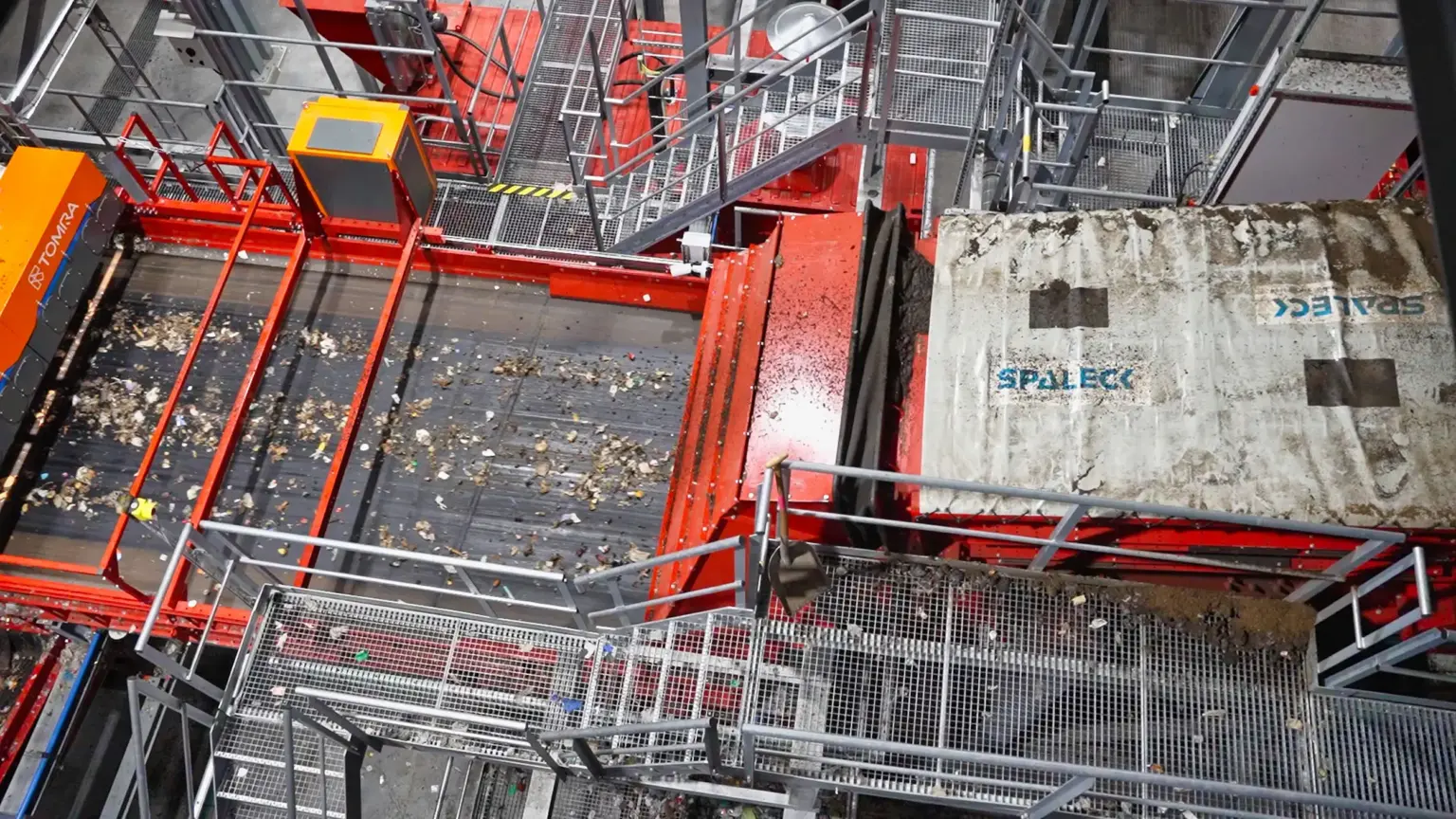
Flip-Flow screening machines are also used to separate the fines when processing Municipal solid waste. Typical Screening sizes are e.g. 0-10 mm. Municipal solid waste, which is often moist and very sticky, is thus optimally prepared for the downstream eddy current separators and NIR sorting devices. Sand, dirt and interfering fines are reliably screened off, which reduces the load and improves the performance of the sorting process.
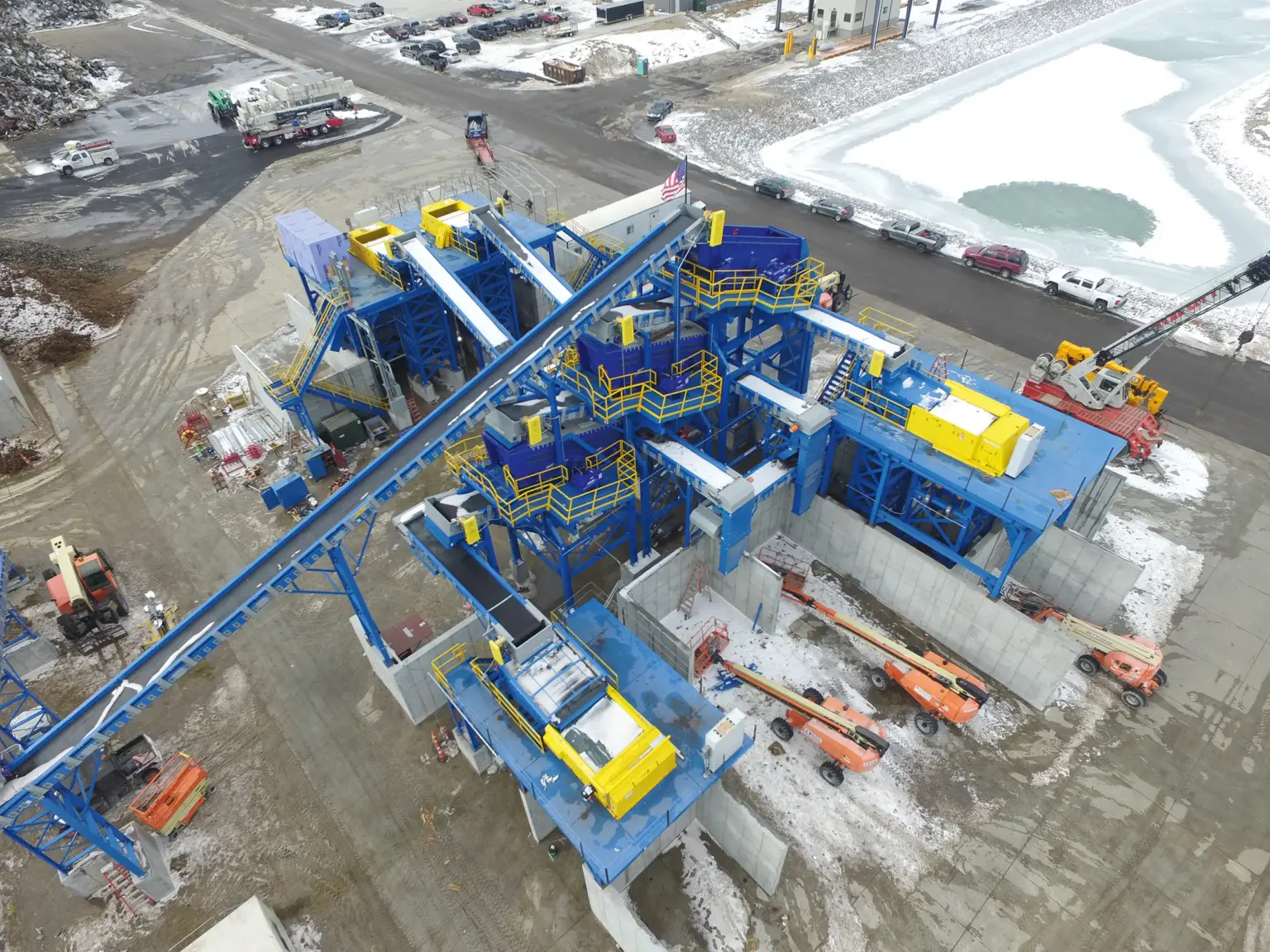
In the recycling process of Auto Shredder Residue, SHF, SLF and, for example, Electronic waste, Flip-Flow screening machines reliably classify complex material mixtures according to Particle size. Fines and impurities are screened out so that eddy current separators and other sorting devices work more efficiently and achieve higher metal purities.
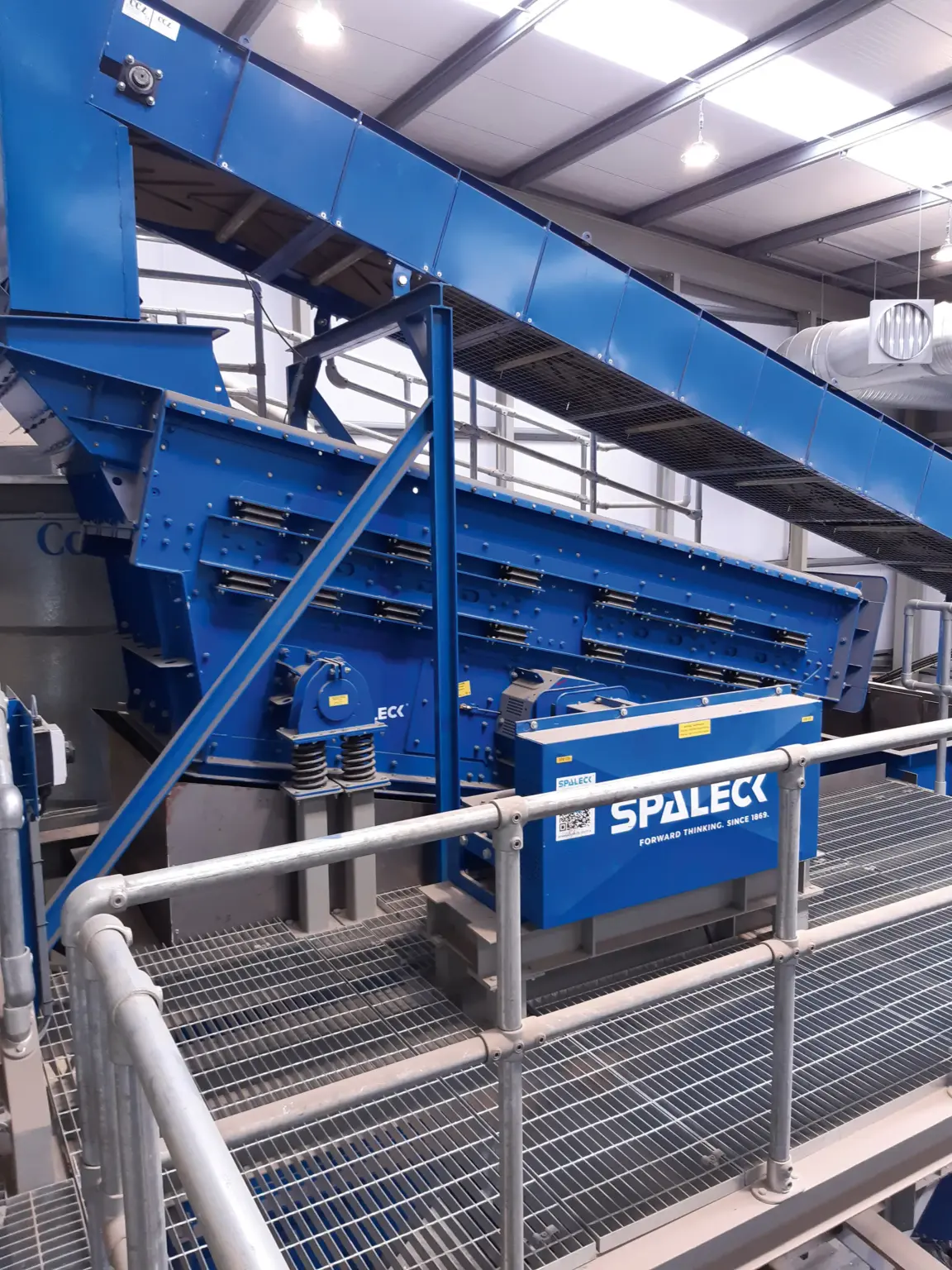
Flip-Flow screening machines remove the fines from mixed plastic streams in plastics processing plants. Fibers, dust and organic residues are reliably separated. This significantly improves the subsequent treatment process.
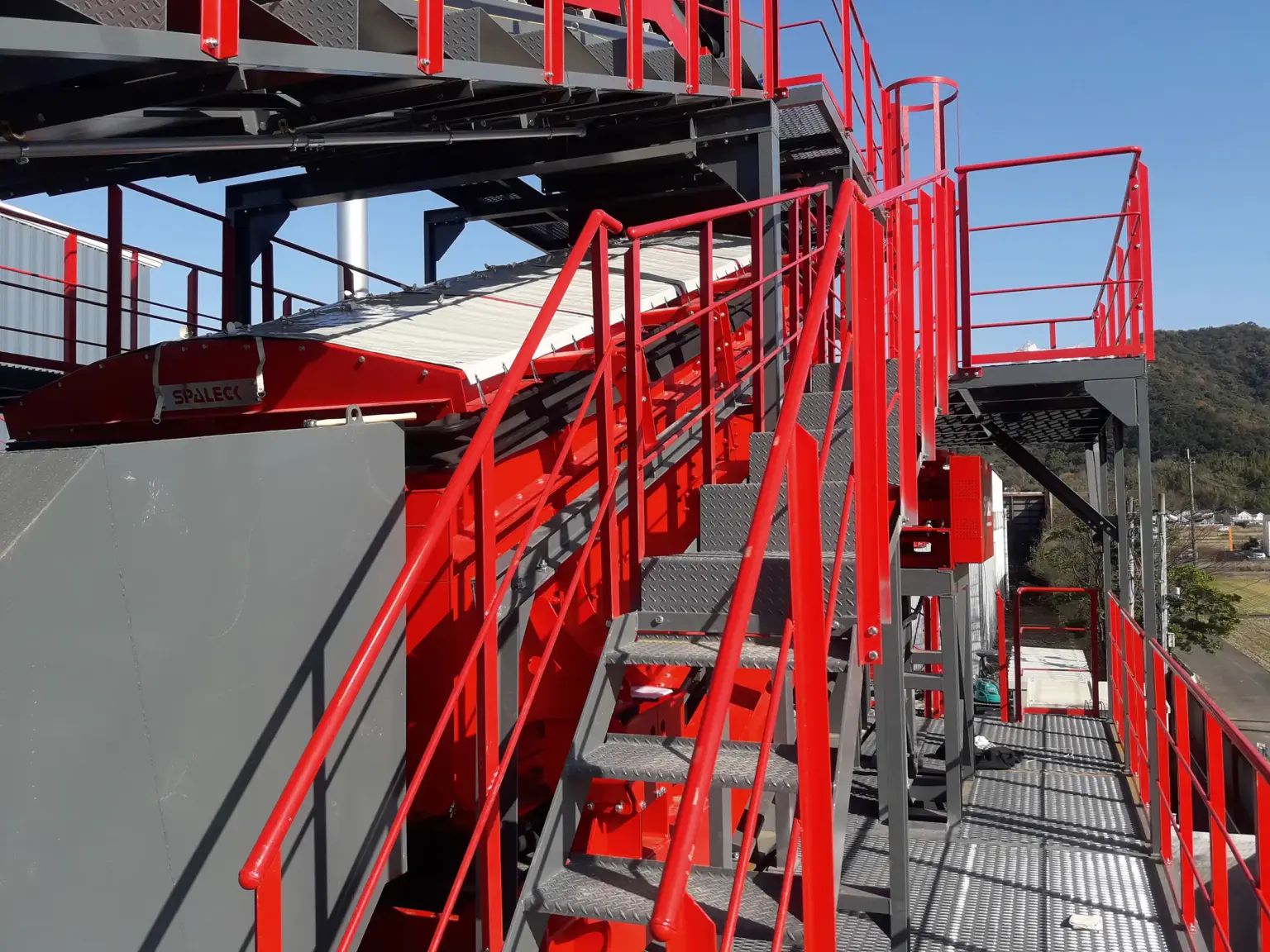
For Compost, biowaste and organic materials, the flip-flow screening technology ensures Efficiency fine screening despite high or sore moisture levels and adhering components. The elastic movements of the screen mats prevent the screen openings from clogging and enable stable Separation sizes all year round. For particularly demanding materials or particularly high material purities, SPALECK also offers additional Tensioning shaft cassettes or special screening panels such as the SPALECK AutoCLEAN.
Which solution suits your preparation?
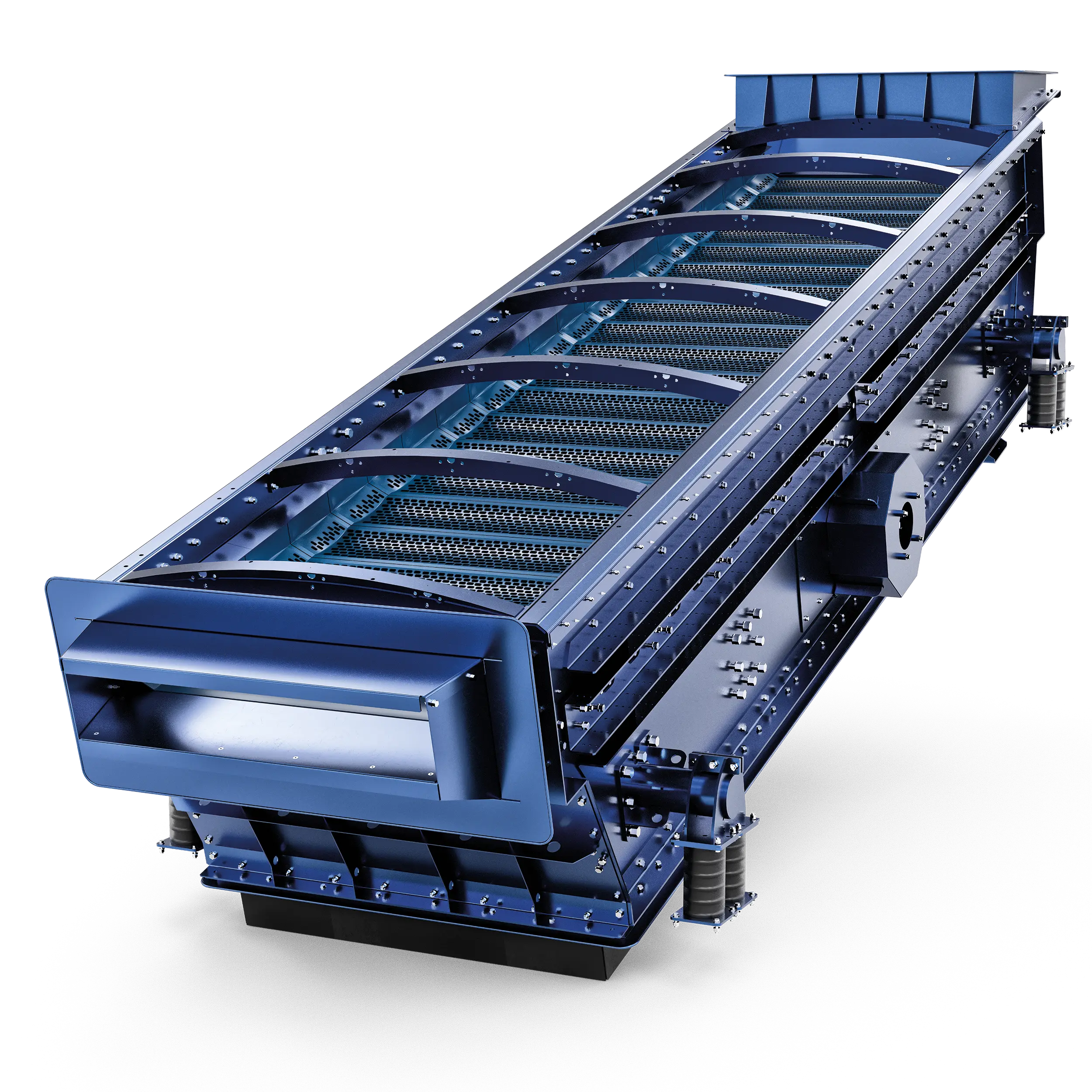
Top performer for your system
Screen quality
++
Number of Screen fractions
up to 3
Throughput strategyI
Focus on stable fine screening and relieving downstream sorting technology
Typical applications
Metal recycling, Municipal solid waste, Refuse derived fuels, Construction and demolition waste, Compost
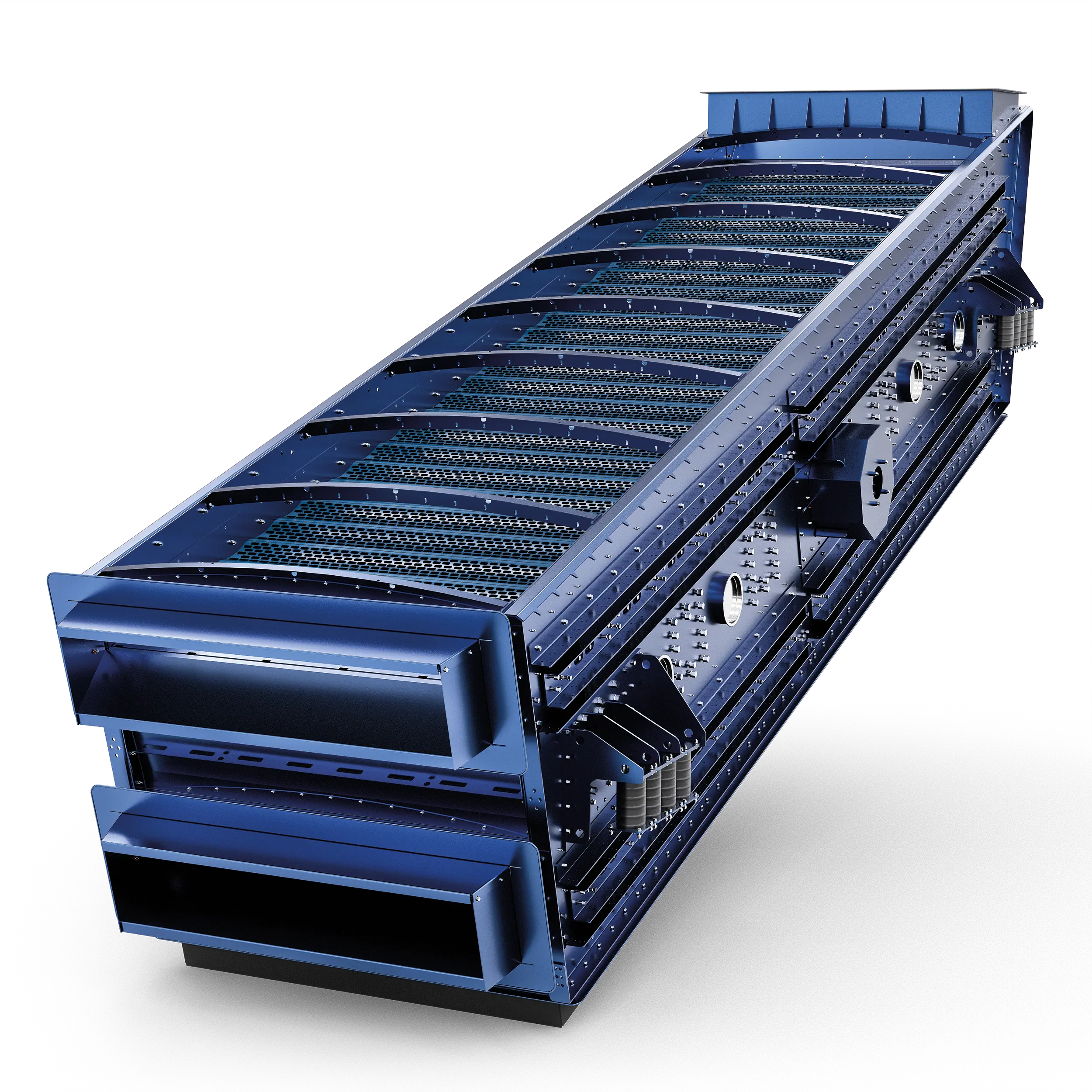
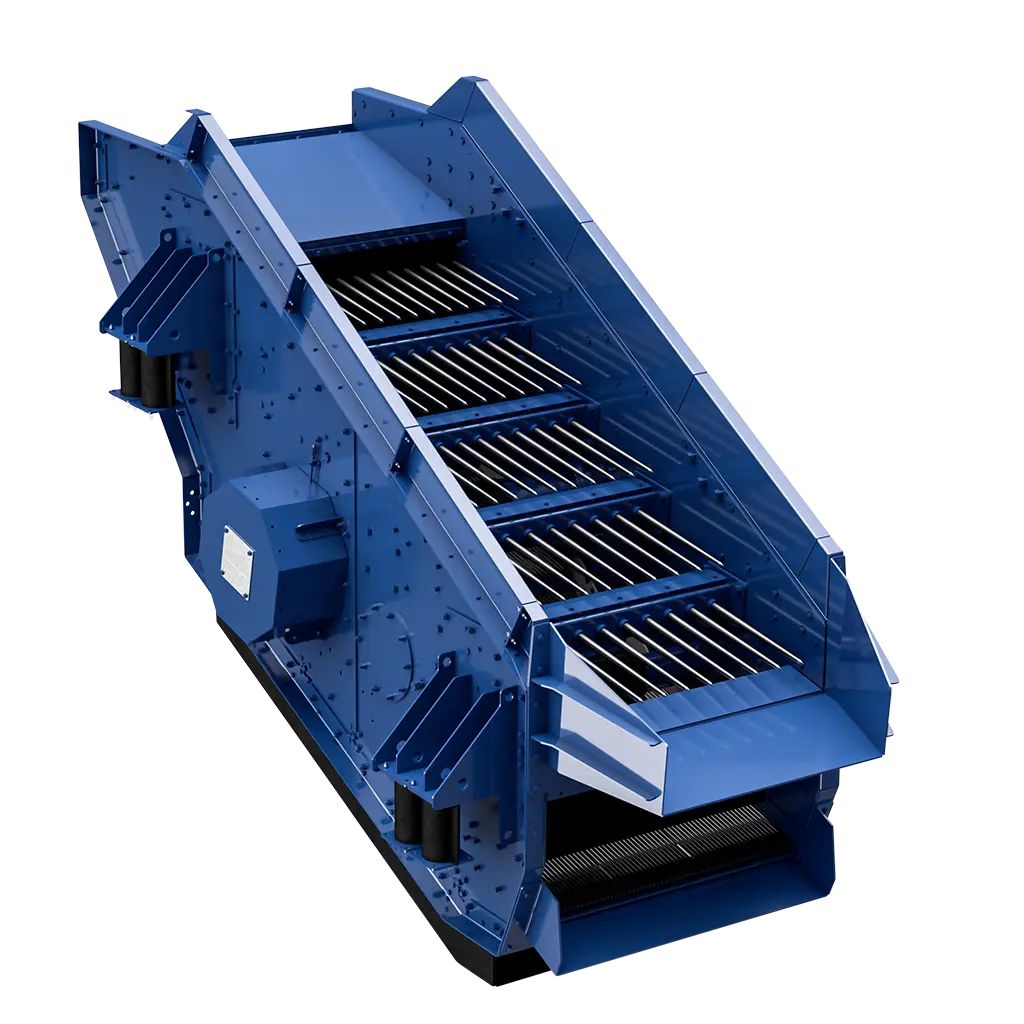
Can be used for relatively undemanding materials
Screen quality
++
Number of Screen fractions
up to 4
Throughput strategy
Simultaneous classification of several grain size fractions
Typical applications
Metal recycling, Slag, minerals, complex materials
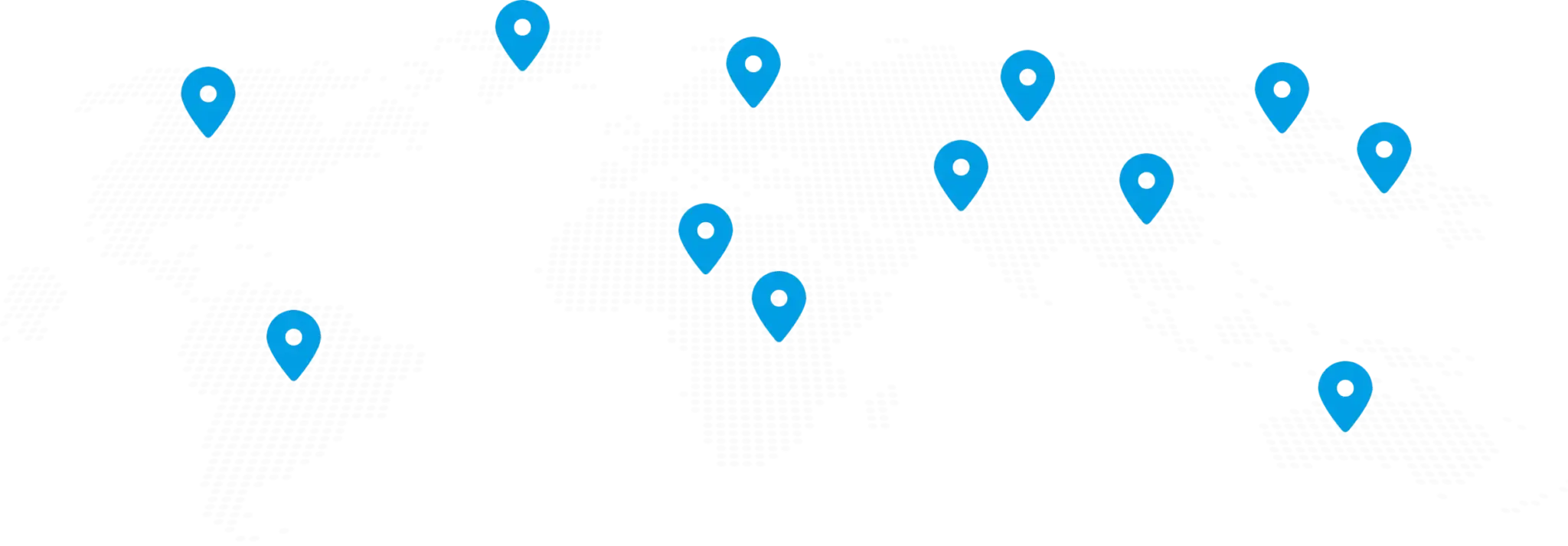
Wherever precise recycling processes are required, SPALECK Flip-Flow screening machines are in use: from Municipal solid waste in Sweden to Slag in the USA, packaging material in Asia, ASR in South America or C&D Waste in Australia. Would you like to see specific reference projects with your material in your country? We would be happy to show you suitable reference systems – either live on site at our customer’s premises or in a video call.
Efficiency classification
Fine screening for your materials
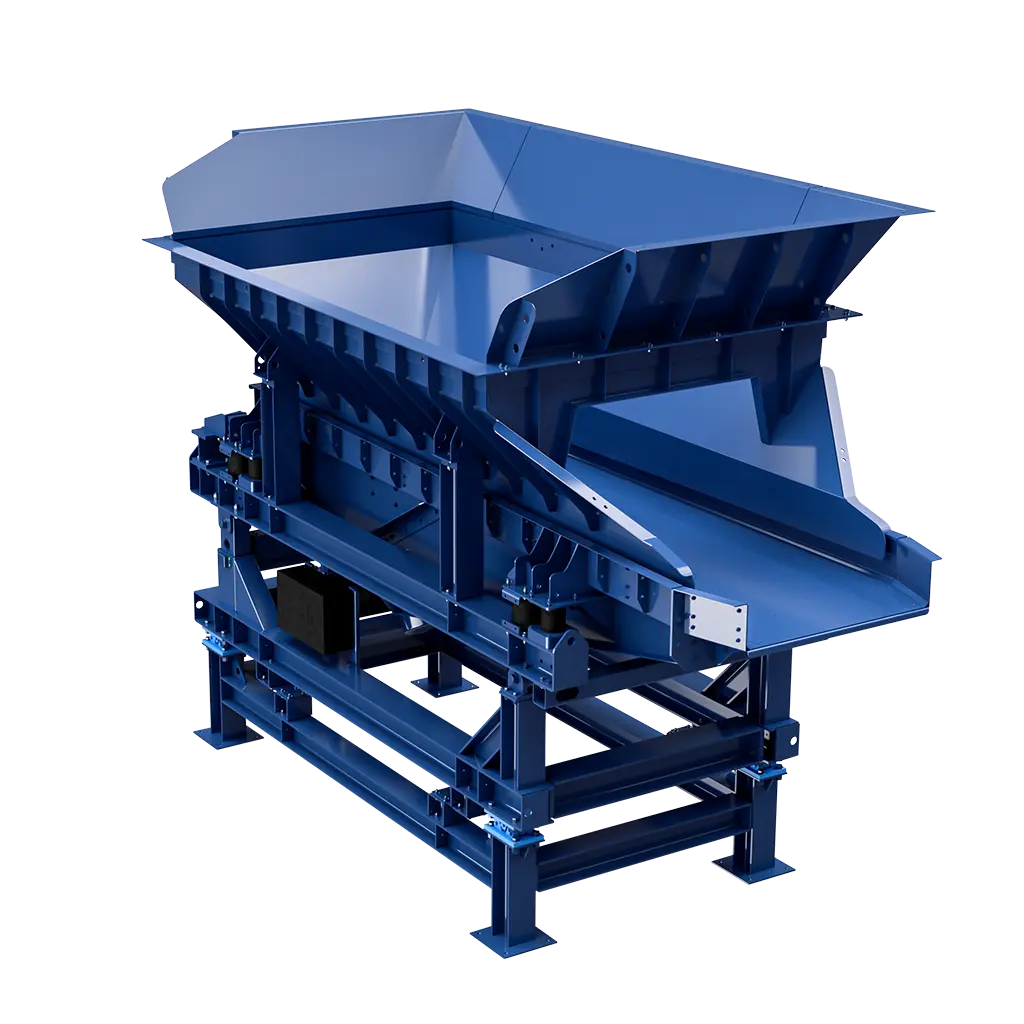
Optimum material feed at the touch of a button
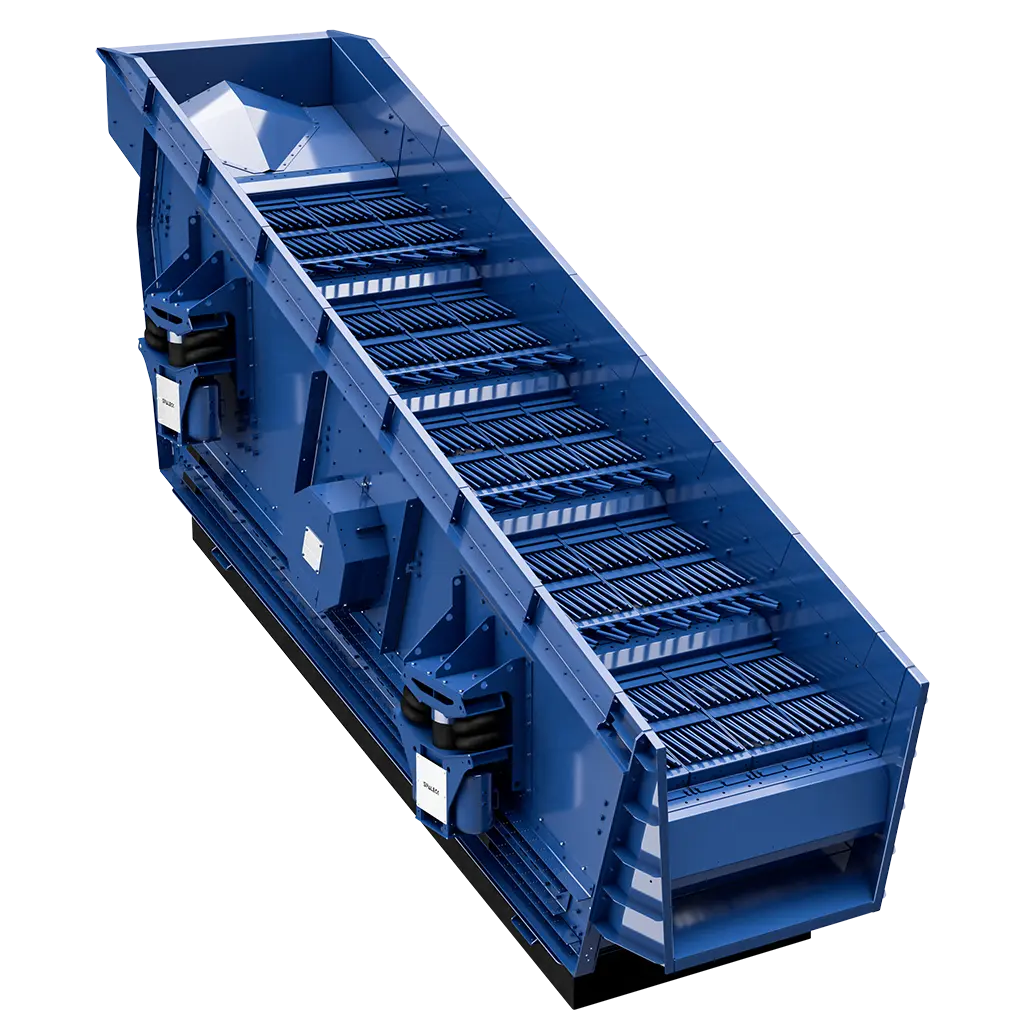
Efficiency classification
Do you have a project idea, need more information about a screening machine or want to test your material in the SPALECK TestCenter? We will be happy to help you at any time!
AutoCLEAN was developed in the SPALECK TestCenter and with and for real recycling applications. The system has been tried and tested in practice and shows optimum results in real recycling plants. We will be happy to provide you with specific references and results for specific materials and applications on request.
The easiest way is to test your original material in the SPALECK TestCenter. Alternatively, we offer you the option of inspecting reference systems. In both cases, you can see how AutoCLEAN behaves with your material and what positive effects AutoCLEAN has on the treatment process.
AutoCLEAN aims to reduce operating costs in the Recycling process – in particular through less cleaning effort, optimized production and treatment processes and optimal use of screening technology. In many applications, this results in rapid economic benefits.
Yes, AutoCLEAN improves plant availability. This is because fewer clogged Screening areas mean fewer cleaning or unplanned interventions and therefore higher availability of the screening machine and the entire processing line.
AutoCLEAN is aimed at operators of recycling plants, especially in areas such as metal recycling, Municipal solid waste and commercial waste processing, slag treatment, building material recycling or compost processing – wherever material behavior can complicate the screening process.
No, AutoCLEAN is not suitable for Flip-Flow screening machines. However, Flip-Flow screening machines do not usually require any special cleaning support for the screen mats due to their flip-flow principle.